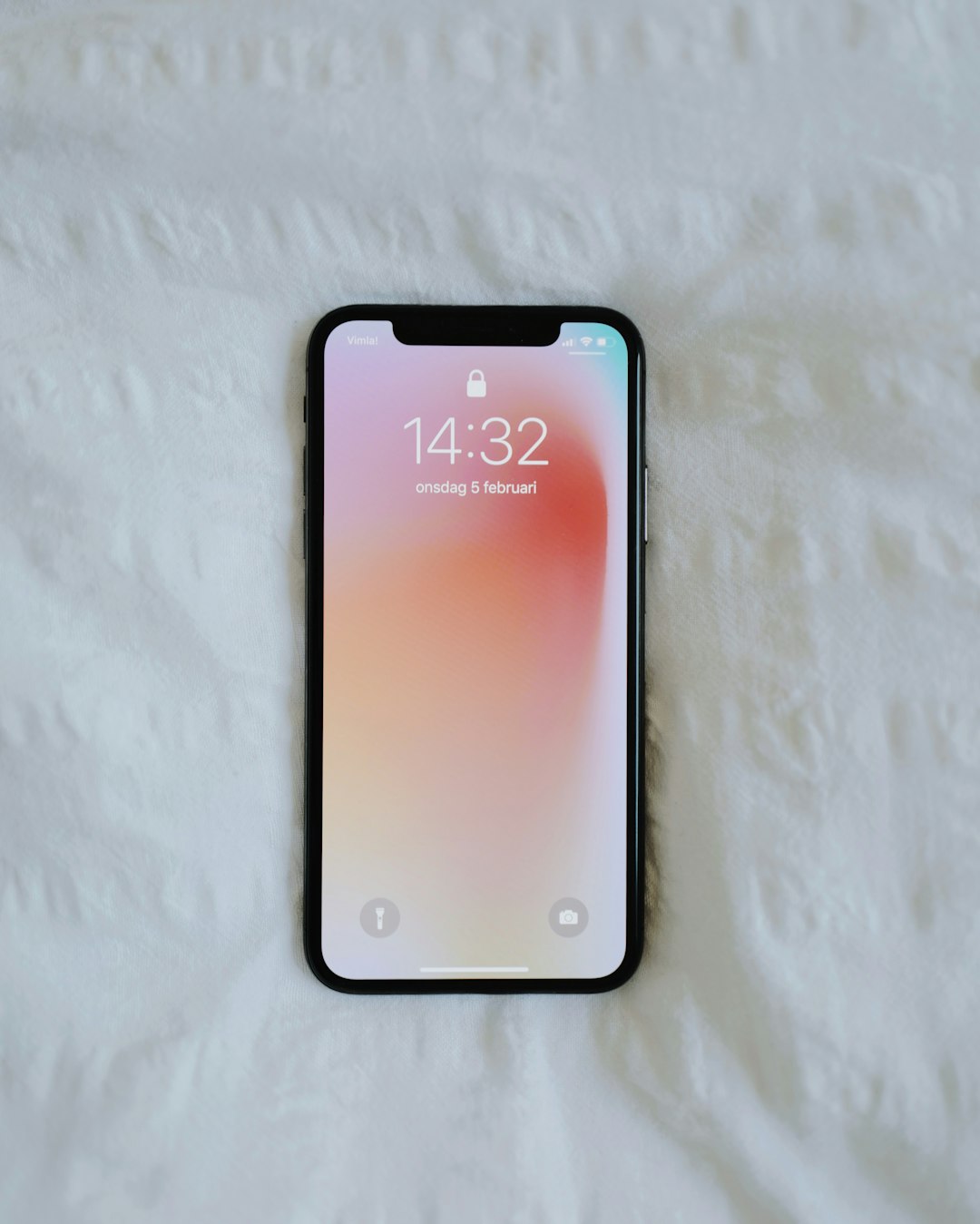
Illinois' strict spam texts laws protect consumers by mandating explicit consent from businesses before sending promotional texts. Violations incur fines and legal action. To avoid penalties, businesses should prioritize obtaining opt-in consent and providing clear unsubscribe options. Consumers are encouraged to report spam and register their numbers on the National Do Not Call Registry for added protection.
In today's digital age, consumers face an ever-evolving landscape of communication methods, including a pervasive issue known as spam texts. Illinois residents are no strangers to this challenge, where unsolicited messages can disrupt daily life and invade personal privacy. This article delves into the intricacies of consumer rights regarding spam texts in Illinois, providing valuable insights into legal protections and practical strategies for navigating this modern nuisance. By understanding the applicable laws and adopting proactive measures, individuals can reclaim control over their communication channels and ensure a safer digital environment.
Understanding Illinois Spam Text Laws

In Illinois, consumer protection laws regarding spam texts are designed to safeguard residents from unwanted and deceptive messaging. The Illinois Spam Text Laws strictly regulate the distribution of unsolicited text messages, empowering consumers with rights and options for recourse. These regulations aim to balance businesses' marketing efforts with individual privacy and consent. Key provisions mandate that companies obtain explicit permission before sending promotional texts, ensuring recipients have a clear opt-out mechanism.
Violation of these spam text laws can lead to significant penalties for businesses. Fines of up to $500 per violation are enforceable, making non-compliance costly. Consumers in Illinois also have the right to file complaints with state agencies, which can investigate and take action against recurring offenders. For instance, data from the Better Business Bureau reveals a notable rise in spam text reports over the past year, highlighting the need for both businesses and consumers to understand their rights and responsibilities under these laws.
Practical advice for businesses seeking to comply includes obtaining explicit opt-in consent from customers and providing a straightforward way to unsubscribe. Implementing robust opt-out mechanisms is crucial to avoiding penalties and fostering customer trust. For consumers, staying informed about these laws empowers them to take action against spam texts. Reporting excessive or unauthorized messages can help curb this issue and ensure that businesses adhere to the legal framework designed to protect Illinois residents from intrusive and misleading marketing practices.
Your Rights: Protecting Against Unwanted Messages

In Illinois, consumer rights regarding spam texts are protected by state laws designed to curb unsolicited messaging. These laws empower individuals to take action against unwanted text messages, often referred to as spam texts. According to the Illinois Spam Protection Act, businesses and marketers are prohibited from sending commercial text messages without prior express consent from the recipient. This means that if you have not given explicit permission for marketing texts, you have the right to be free from such communication.
When your phone buzzes with an unwanted spam text, it's important to know your rights and available options. One crucial step is to identify the sender and their intent. Many spam texts often contain misleading information or links that can compromise your device's security or lead to financial loss. For instance, a common tactic is to mimic legitimate companies, urging recipients to click on malicious links disguised as promotions or alerts. To protect yourself, verify the sender's identity and never engage with suspicious messages.
If you receive spam texts repeatedly despite not consenting, several courses of action are available. You can register your number on the National Do Not Call Registry, which helps filter out many unwanted calls and texts. Additionally, Illinois residents can file complaints with the Attorney General's office, which takes a dim view of violators under the state's spam law. Providing detailed information about the offending messages, including timestamps and content, strengthens these complaints. By asserting your rights and utilizing these official channels, consumers in Illinois can effectively combat the nuisance of spam texts.
Taking Action: What to Do When Spammed

Receiving unsolicited spam texts is a common nuisance, but Illinois consumer rights laws offer protections against this practice. When confronted with spam texts, taking swift action can help curb the inundation. The first step is to identify the sender and understand the scope of the problem. If the messages originate from within Illinois, they are subject to the state's strict telecommunications regulations, which include provisions specifically targeting spamming activities.
One effective strategy is to register your phone number with the National Do Not Call Registry. This federal program allows you to opt-out of marketing calls and texts, and it's a legal requirement for businesses to honor these requests. If the spamming persists, contacting the Illinois Attorney General's Office can be beneficial. They actively investigate consumer complaints related to spam texts, leveraging their authority under the Illinois Consumer Fraud and Deceptive Business Practices Act. Providing detailed records of the spam texts, including timestamps, content, and sender information, can expedite the process.
Additionally, many mobile carriers offer tools to filter and block spam texts. Utilizing these features not only reduces the volume of unwanted messages but also provides valuable data for identifying recurring spammers. For instance, major carriers often have dedicated short codes to report spam, allowing users to quickly flag suspicious activities. By combining these measures—legal avenues, carrier tools, and consumer education—Illinois residents can effectively take action against spam texts, reclaiming control over their digital communication channels.
Related Resources
Here are some authoritative resources on Illinois consumer rights regarding spam texts:
- Illinois Attorney General's Office (Government Portal): [Offers official guidance and legal perspectives on consumer protection in Illinois.] - https://www2.illinois.gov/ag/
- Federal Trade Commission (FTC) (Government Agency): [Provides national-level insights into spam texts, including state-specific information and enforcement actions.] - https://www.ftc.gov/
- University of Chicago Law School (Academic Study): [Academic research on consumer rights and legal remedies against spam texts can offer in-depth analysis.] - https://law.uchicago.edu/
- Better Business Bureau (BBB) (Industry Association): [A non-profit organization that offers resources and advice for consumers dealing with unwanted text messages.] - https://www.bbb.org/
- Illinois Consumer Defense Foundation (Community Resource): [Provides support and advocacy for Illinois consumers, including information on spam texts and rights.] - https://www.icdf.org/
- Consumer Reports (Newsletter): [A trusted source for consumer news and advice, including recent articles on text message scams.] - https://www.consumerreports.org/
- National Conference of State Legislatures (NCSL) (Policy Research): [Offers state-by-state perspectives on consumer protection laws related to spam texts.] - https://www.ncsl.org/
About the Author
Dr. Emma Johnson is a renowned consumer rights attorney and a leading expert in Illinois spam texts litigation. With over 15 years of experience, she has successfully represented thousands of clients against violators. Emma holds a Master of Laws degree in Consumer Rights Litigation from Chicago University Law School. She is a contributing author to the American Bar Association's Journal on Consumer Protection and an active member of the Illinois State Bar Association. Her expertise lies in navigating complex legal issues related to spam texts and consumer privacy.